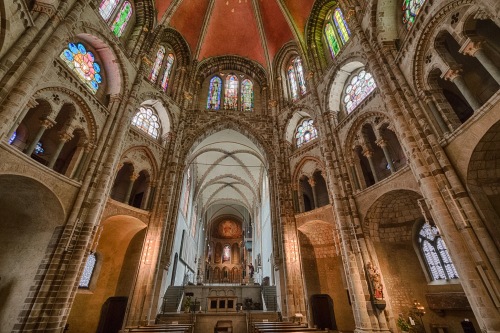
The unique decagonal nave of this church opens to east into a choir which was completed about 1156. Much of the original furniture was destroyed in WWII and the structure required significant repairs. Yet the heavy, round-arch, romanesque design elements are evident.
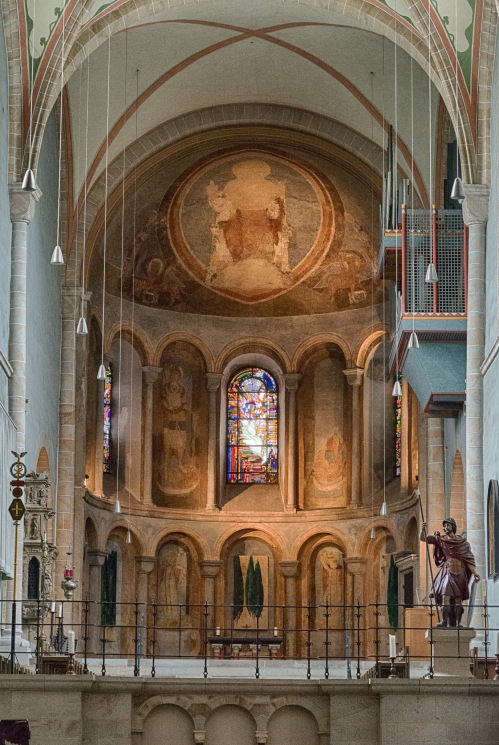
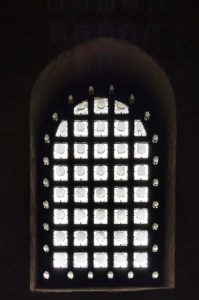
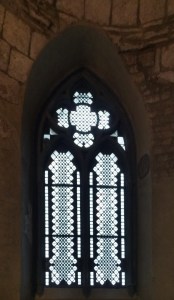
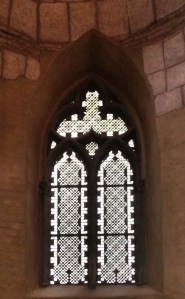
The apse retains most of the original wall paintings, including the enthroned Christ, St. Gereon, and a bishop brandishing a sword. The windows are modern.
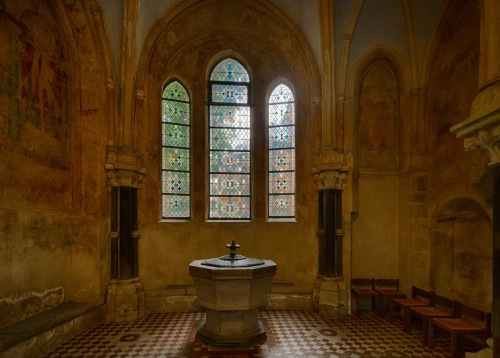
Opening off the south side of the decagon is a baptistry built 1242-45. By that time the gothic style had taken hold in German lands. The font itself is of a somewhat earlier date.
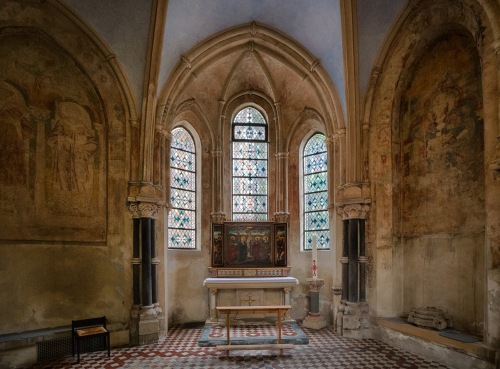
Opposite the font is a late gothic altar. The wall paintings date to the mid-13th century, about the time of construction.
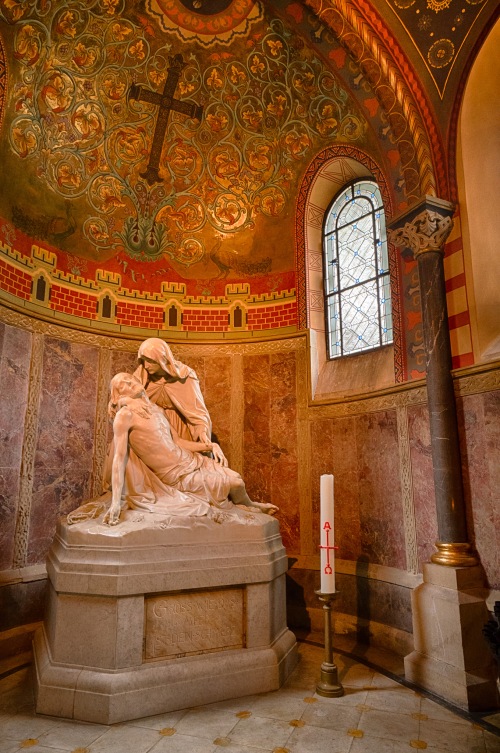
One of the most striking features of the church is a chapel with a 19th century pieta. Although the gilded vault and variegated marble panels are eye-catching, the monochrome sculpture stands out even more.
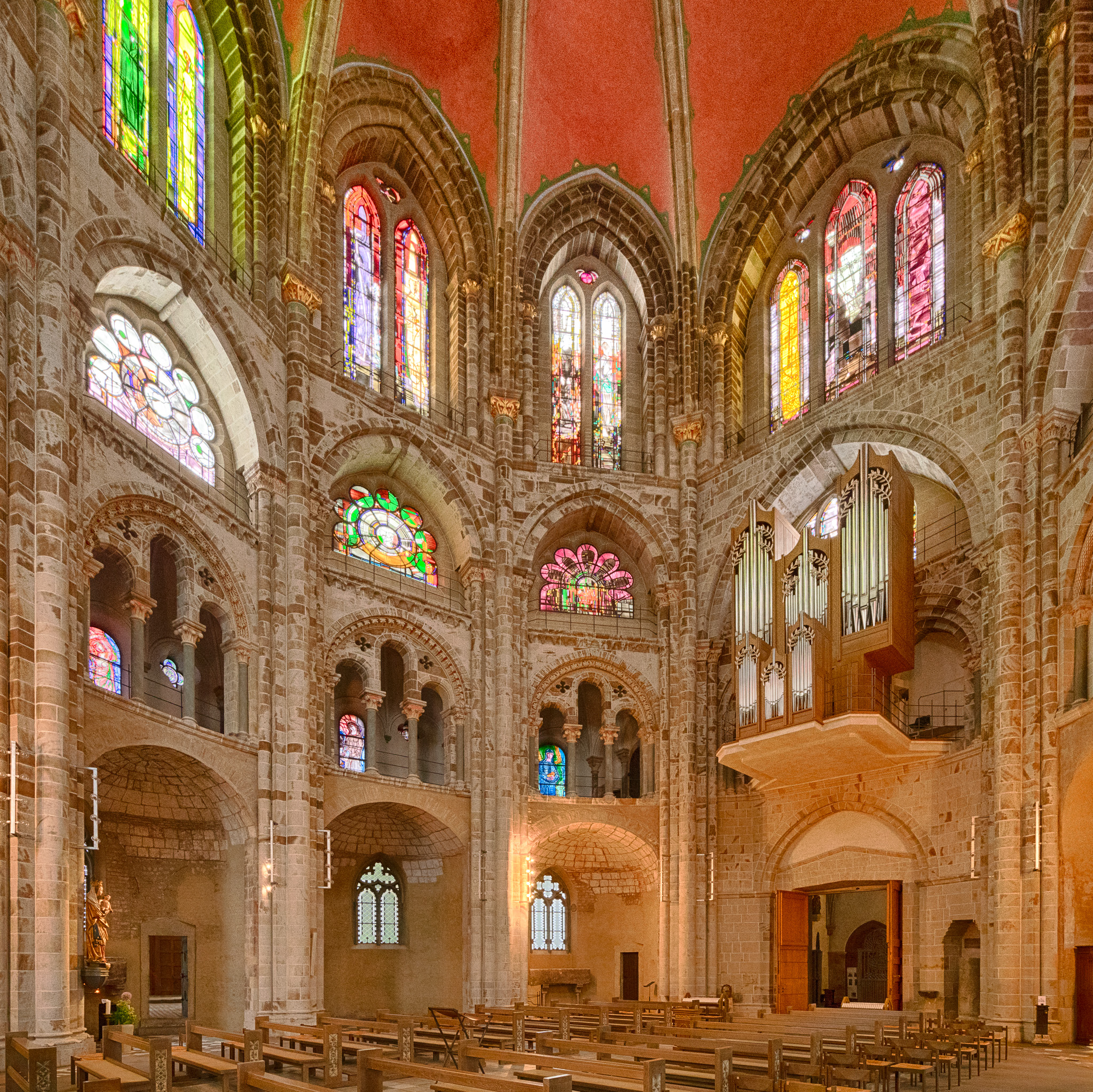 St. Gereon Kirche is unique north of the Alps. The lower levels date to about 350-65. The central structure is oval with semicircular niches that may have once held memorials to early noble families. Some of the stone in the vaults of these niches was recycled from Roman structures. The upper portions of this structure were renovated and extended several times during the past millennium. The visual splendor can only be approximated in photos, but this view of the ceiling gives some idea of what it is like to stand in the center of this remarkable church.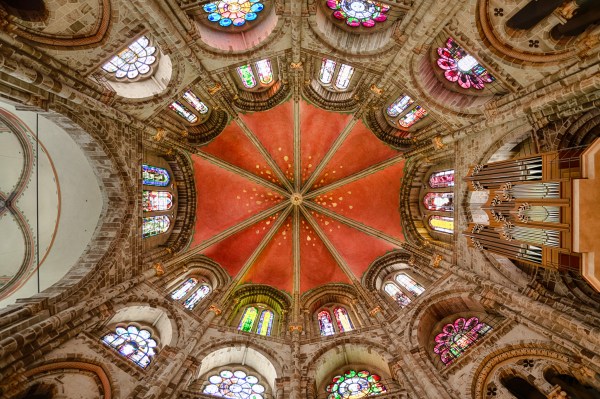


 Craig's Places